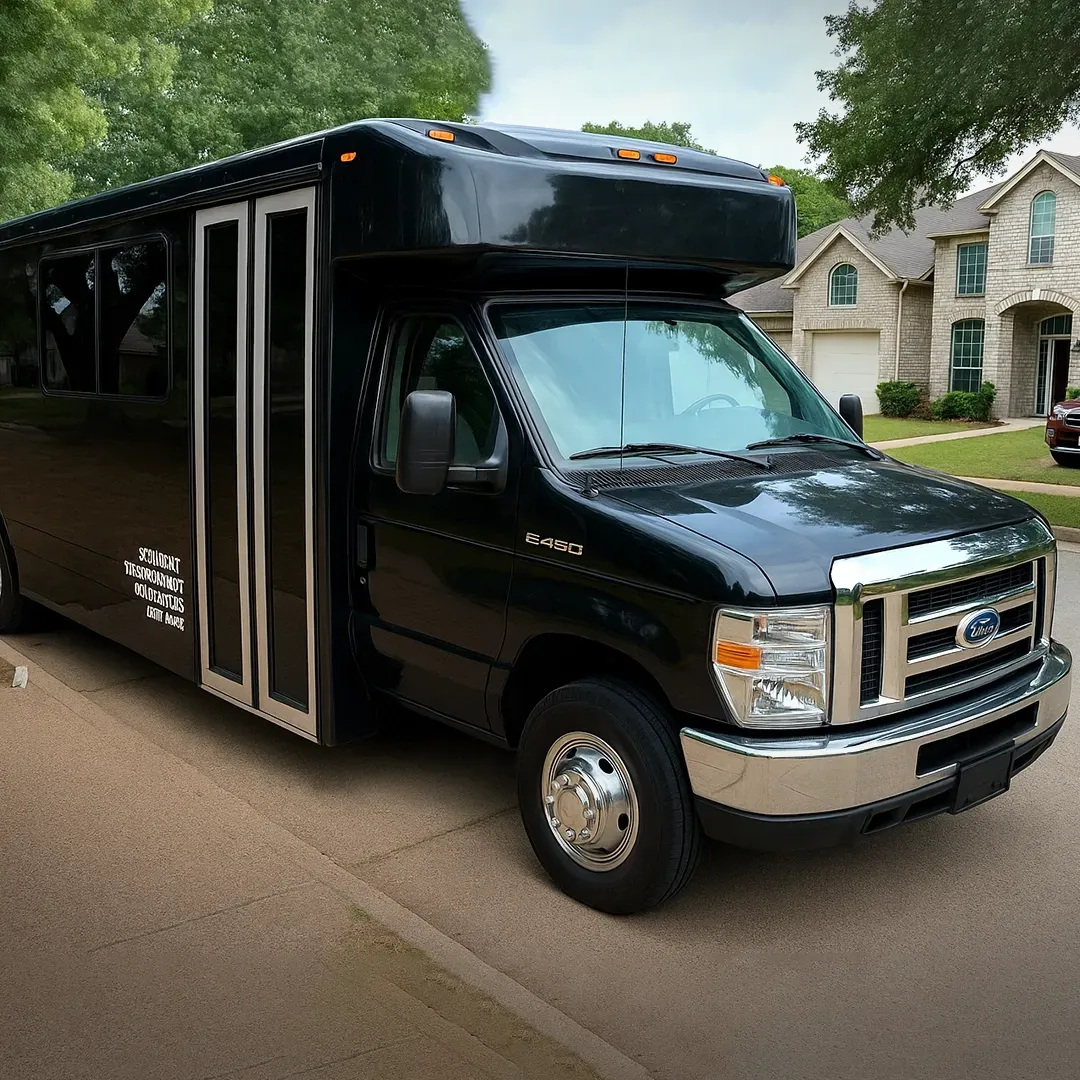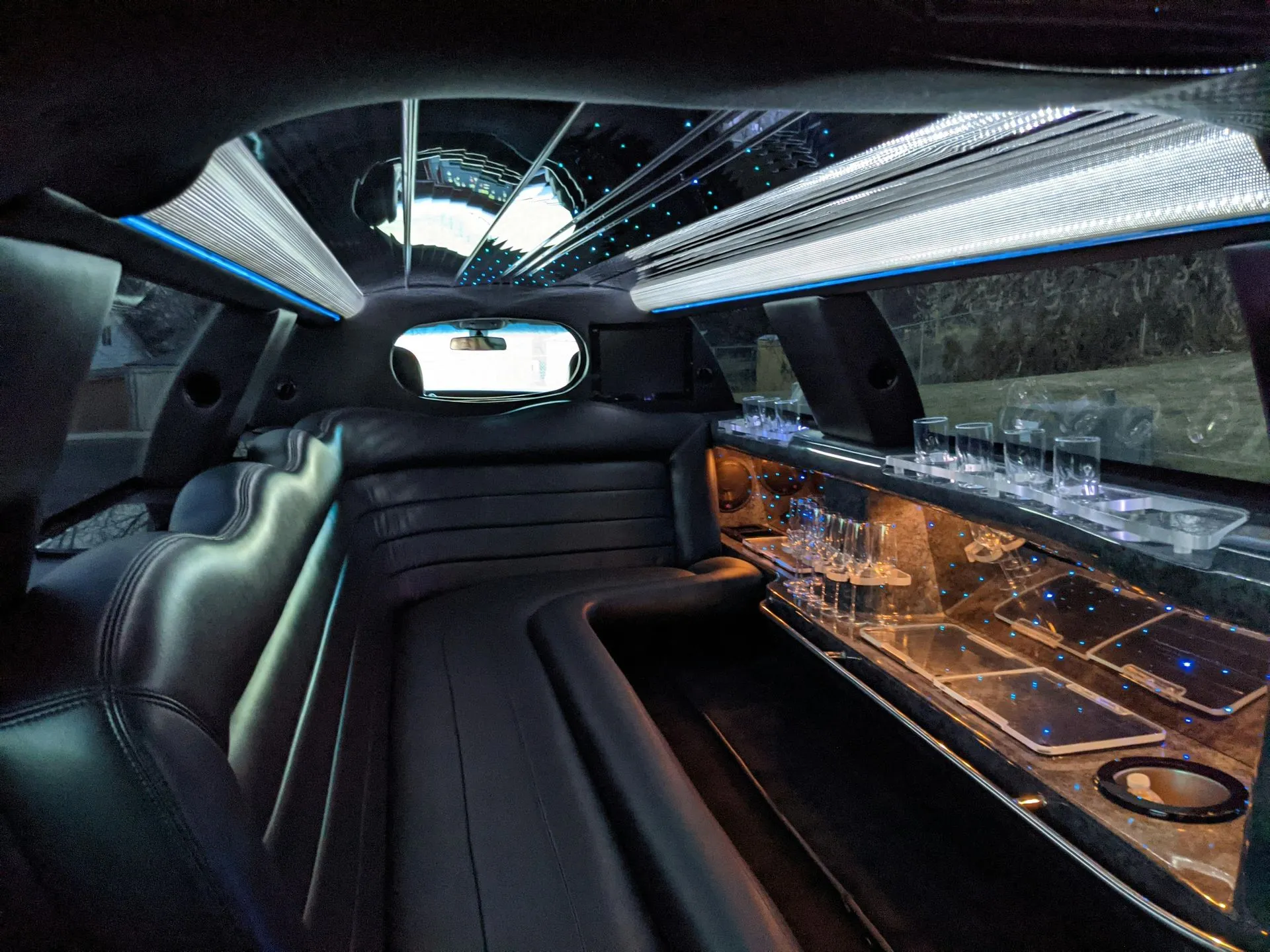
Booking a trip to North Texas comes with a question that surprises a lot of first-time visitors: which airport? Dallas is one of the few American cities served by two major commercial airports, and choosing between them can save you real time on the ground. The DFW vs Love Field decision comes down to where you’re headed, which airline you prefer, whether you’re flying internationally and how you plan to get from the curb to your destination. This guide breaks down the differences — location, airlines, terminal layout, history and ground transportation — so you can book the smarter flight and plan a smooth ride from the gate.
We drive to and from both airports every day, so we’ve also included practical pickup tips from a chauffeur’s point of view. Airline schedules, routes and airport services change regularly, so always confirm current details with your airline and the airport before you travel.
DFW vs Love Field at a glance
Here’s the short version. Dallas Fort Worth International Airport (DFW) is a huge global hub sitting between the region’s two biggest cities. Dallas Love Field (DAL) is a smaller, close-in airport just northwest of downtown Dallas. Both are excellent; they simply serve different kinds of trips.
| Factor | DFW International (DFW) | Dallas Love Field (DAL) |
|---|---|---|
| Location | Between Dallas and Fort Worth, bordering Irving, Grapevine, Euless and Coppell | About 6 miles northwest of downtown Dallas |
| Distance to downtown Dallas | Roughly 20 miles | About 6 miles |
| Distance to downtown Fort Worth | Roughly 20 miles | Roughly 35 miles or more |
| Main airline | American Airlines (its largest hub) | Southwest Airlines (its home base) |
| International flights | Extensive, with many global carriers | Primarily domestic |
| Terminals | Five terminals (A–E) linked by the Skylink train | One compact terminal |
| Best for | International trips, connections, Fort Worth and Mid-Cities destinations | Quick domestic trips, downtown Dallas, Uptown and the Park Cities |
Whichever airport you choose, SA Limo offers airport pick-up and drop-off at both, with chauffeurs who monitor your flight and help with your luggage.
Location and distance: which airport is closer to where you’re going?
For most travelers, geography is the deciding factor. The Dallas–Fort Worth Metroplex is enormous, and the “wrong” airport can add a long drive across several highways to the end of your trip.
Downtown Dallas, Uptown, the Park Cities and the Medical District
If your destination is in the urban core of Dallas, Love Field is hard to beat. It sits near Mockingbird Lane and Lemmon Avenue, only a few miles from Uptown, Oak Lawn, Highland Park, University Park, Preston Hollow and the Southwestern Medical District. A conference at a downtown hotel or a meeting in Uptown can be a short drive from the terminal, traffic permitting.
Fort Worth, Arlington and the Mid-Cities
Heading west? DFW is almost always the better choice. It sits roughly halfway between the two downtowns, so it’s far more convenient for Fort Worth, Arlington, Grapevine, Southlake, Bedford, Euless and Hurst. Flying into Love Field for a Fort Worth trip means crossing most of Dallas County before you even reach Tarrant County.
Irving and Las Colinas
DFW borders Irving, and the Las Colinas business district is a short drive from its southern and eastern entrances. Love Field is also reasonably close to eastern Irving, so both can work — but DFW usually wins for Las Colinas and the corporate campuses around State Highway 114.
Plano, Frisco, Richardson and the northern suburbs
The northern suburbs are where the choice gets interesting. Depending on your exact address, the time of day and your route, Love Field and DFW can be fairly similar for Plano, Richardson and Frisco. Love Field is reached via the Dallas North Tollway or US-75, while DFW connects through State Highway 121, the President George Bush Turnpike and I-635. In practice, many travelers decide based on airline and schedule rather than a few miles of distance.
A note on traffic
Distance in DFW rarely tells the full story. Rush hour on I-35E, I-635 (LBJ Freeway), US-75 and State Highway 183 can stretch a short trip considerably, and construction zones come and go. Professional chauffeurs who drive these routes daily know the usual pinch points and plan pickup times accordingly — one of the most underrated benefits of booking a car service instead of driving yourself.
Airlines and routes: who flies where
After location, your airline loyalty and destination will narrow the choice quickly.
DFW: American Airlines’ hub and an international gateway
DFW is the largest hub for American Airlines, which is headquartered nearby in Fort Worth. That means an enormous number of nonstop domestic routes and a wide network of international flights across North America, Latin America, Europe and Asia. Many foreign carriers also serve DFW, which is why it handles the vast majority of the region’s international traffic.
If you’re flying to or from another country, connecting between flights, or loyal to American or its partner airlines, DFW is usually the natural choice. Its scale also means more flight times to choose from on many routes.
Love Field: Southwest Airlines’ home base
Dallas Love Field is home to Southwest Airlines, which is headquartered on the airport grounds and operates the large majority of flights there. A small number of other airlines also serve the airport. Routes are primarily domestic, focused on major U.S. cities and popular leisure destinations.
If you’re a Southwest flyer heading somewhere within the United States, Love Field can offer a quicker, simpler airport experience — especially when your final destination is close to central Dallas.
Check both before you book
Because airline networks change, it’s worth searching both airports when you book. Use “DFW” and “DAL” separately, or the multi-airport “Dallas” option many booking tools offer, then compare total travel time — including the ride to your final address — rather than flight time alone.
The Wright Amendment: why Dallas has two major airports
The DFW vs Love Field story makes more sense with a little history. Love Field opened in 1917 as an Army airfield and grew into Dallas’s main commercial airport. As both Dallas and Fort Worth expanded, federal officials pushed the cities to share a single regional airport. The result was DFW International, which opened in 1974 and was intended to consolidate commercial service in the region.
Southwest Airlines, then a young Texas carrier, kept flying from Love Field. To protect the new regional airport, Congress passed the Wright Amendment in 1979, which sharply restricted long-haul flights from Love Field. For decades, nonstop service from Love Field was largely limited to Texas and nearby states, with later adjustments adding a few more states.
Repeal and the gate limit
In 2006, the cities of Dallas and Fort Worth, DFW Airport, American Airlines and Southwest reached an agreement to phase out the restrictions, and Congress passed legislation to make it happen. The remaining long-haul limits ended in 2014. As part of that agreement, Love Field is capped at 20 gates, which is one reason it remains a compact, single-terminal airport focused on domestic travel while DFW serves as the region’s international gateway.
Today, the two airports complement each other. Travelers get the choice between a global mega-hub and a convenient close-in airport — a rare luxury for a single metro area.
Terminal experience: big hub vs compact airport
The feel of each airport is very different, and that affects how long it takes to get from your seat to the curb.
DFW’s five terminals and Skylink
DFW is one of the largest airports in the world by land area — its footprint is famously larger than the island of Manhattan. Its five semicircular terminals, labeled A through E, line International Parkway, which runs through the middle of the airport. Terminal D is the main international terminal. Inside security, the Skylink train connects all terminals, so connecting passengers can move between gates without leaving the secure area.
The size brings a lot of dining, shopping and lounge options; our guide to DFW Airport restaurants covers the best food stops before boarding. The trade-off is that your gate, baggage claim and pickup door can be far apart, and telling your driver the right terminal is essential.
Love Field’s single terminal
Love Field has a single terminal with gates arranged along concourses, which makes it easy to navigate. Walking distances are short, wayfinding is simple, and the airport has a reputation for a polished, modern feel. It’s also home to the Frontiers of Flight Museum on the airport grounds, a nice nod to the field’s long aviation history.
For travelers who value speed and simplicity — business trips with carry-on bags, quick weekend getaways — that compact layout is a genuine advantage.
Ground transportation compared
Getting out of the airport is where many trips go sideways. Here’s how the main options stack up at each airport.
- Driving and parking: Both airports offer terminal garages and remote lots. DFW’s parking is spread across the terminals and remote areas, while Love Field’s garages sit close to its single terminal. Check current options and rates on each airport’s website.
- Rental cars: Both airports have consolidated rental car facilities reached by shuttle, which adds time at the start and end of your trip.
- Public transit: DFW is served by DART’s Orange Line light rail and TEXRail commuter trains, which connect toward Dallas and Fort Worth respectively. Love Field connects to DART via a bus link to a nearby rail station. Transit is economical but works best with light luggage.
- Taxis and rideshare: Available at both airports from designated pickup zones. Wait times and pricing can vary, especially during peak arrival banks, bad weather and big events.
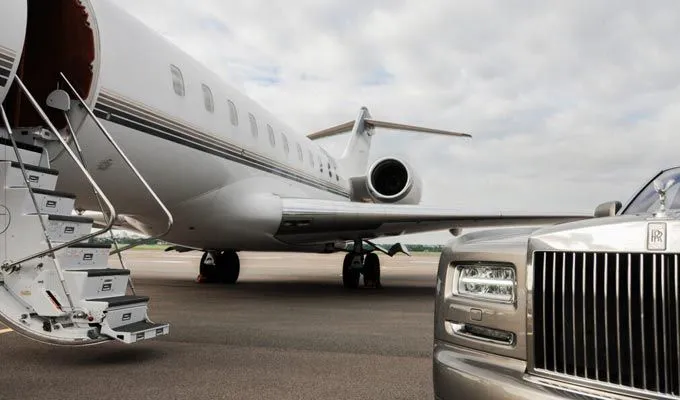
- Chauffeured car service: A reserved vehicle and a professional driver who tracks your flight, meets you on arrival and handles your luggage. It’s the most predictable option, especially for executives, families and groups.
Why a reserved car makes sense at DFW
At a hub as large as DFW, a reserved car removes the guesswork. Your chauffeur knows which terminal you’re landing at and plans the pickup around it. If your flight is early or delayed, flight monitoring means the pickup adjusts with it. Learn more on our DFW Airport car service page.
Why it makes sense at Love Field too
Love Field’s close-in location means your ride is often short — but the curb can get busy at peak times, and downtown traffic still applies. A chauffeur waiting for you turns a quick trip into a seamless one. See our Love Field car service page for details.

Which airport is better for your type of trip?
There’s no single winner in the DFW vs Love Field debate. The right answer depends on who’s traveling and why.
Business travelers
Heading to downtown Dallas, Uptown or the Medical District on a domestic flight? Love Field often saves time. Meetings in Las Colinas, Fort Worth or near the airport hotels? DFW is usually the better fit. Either way, our black car service lets you take calls and answer email on the way, and an Executive Sedan for up to three passengers keeps the ride quiet and professional.
Families
Families with strollers, car seats and lots of luggage appreciate Love Field’s short walking distances, but DFW may offer more nonstop options and better flight times. Whichever you choose, an Executive SUV seating up to six makes room for everyone and their bags.
International travelers
For international trips, DFW is the clear choice thanks to its global network and dedicated international terminal. If you’re arriving from overseas after a long flight, having a chauffeur waiting is one of the easiest ways to recover from the journey.
Groups and events
Wedding parties, sports teams, corporate groups and conference attendees often arrive across several flights. Coordinating that by rideshare is a headache. Our Sprinter Van carries up to 14 passengers, and for larger groups our group transportation options include mini coaches and motorcoaches for up to 56 passengers.
Connecting passengers
If Dallas is a connection rather than your destination, you’re most likely to pass through DFW on American or Love Field on Southwest. Airlines rarely connect between the two airports on the same ticket, so if you’re booking separate tickets, avoid itineraries that require a cross-town transfer unless you have plenty of time.
How SA Limo airport pickups work
SA Limo is a local Dallas–Fort Worth company based on Empire Central Drive in Dallas, with easy access to both airports. Here’s what to expect when you book with us:
- Book in advance. Share your flight number, airline, airport and passenger count when you request a quote. We operate 24/7 by reservation.
- We monitor your flight. Your chauffeur tracks your arrival so the pickup lines up with your actual landing time.
- Meet your chauffeur. Your driver meets you at the arranged pickup point and helps with your luggage.
- Ride in comfort. Choose from executive sedans, SUVs, Sprinter vans, limousines and larger coaches, with options for 1 to 56 passengers.
- Arrive on time. Our professional, courteous chauffeurs and on-time guarantee keep your schedule on track, including same-day pickups to local airports when available.
Plans change, and we understand that. We offer free cancellation with 24-hour notice. Rates depend on vehicle, date, duration and distance, so the best way to know your cost is to request a free quote. We’re fully licensed, bonded and insured, with more than 83,500 completed trips and a 4.9 rating on Google.
Flying beyond Dallas?
If your trip continues to Houston, Austin, San Antonio or beyond, we serve Texas’s other major airports too, and our partner network of vetted local operators can arrange rides in many cities across the country and abroad, with SA Limo as your single point of contact. Explore our worldwide ground transportation options.
Practical tips for a smooth Dallas airport day
A few small habits make a big difference, whichever airport you choose.
- Double-check the airport code. DFW and DAL are easy to mix up when booking. Confirm it on your ticket and share it with your driver.
- Share your terminal at DFW. With five terminals, the right door matters. Your airline app will show your arrival terminal.
- Leave extra time for departures. Security lines at both airports can vary, especially on holiday weekends and Monday mornings.
- Plan around big events. Major concerts, conventions, the State Fair of Texas and big games in Arlington can slow traffic across the region.
- Check current airport information. Construction, parking options and pickup zones change; check each airport’s official website before you fly.
Planning more of your trip? See what to do while you’re here with our guide to the Dallas Zoo vs the Fort Worth Zoo, or find a great meal in the Mid-Cities with our guide to restaurants in Bedford TX, just minutes from DFW.
Frequently asked questions
Is DFW or Love Field closer to downtown Dallas?
Love Field is much closer. It sits about 6 miles northwest of downtown Dallas, while DFW is roughly 20 miles away, between Dallas and Fort Worth. Actual travel time depends heavily on traffic and time of day.
Which Dallas airport is better for Fort Worth?
DFW is almost always the better choice for Fort Worth, Arlington and the Mid-Cities. It sits roughly halfway between the two downtowns, while Love Field requires crossing most of Dallas to reach Fort Worth.
Does Love Field have international flights?
Love Field focuses primarily on domestic flights, with Southwest Airlines operating most of its service. For international travel, DFW is the region’s main gateway, with American Airlines and many foreign carriers. Check with your airline for current routes.
What was the Wright Amendment?
The Wright Amendment was a 1979 federal law that restricted long-distance flights from Dallas Love Field to protect the then-new DFW Airport. An agreement reached in 2006 phased out the restrictions, which ended fully in 2014, and Love Field is limited to 20 gates.
Can SA Limo pick me up at both DFW and Love Field?
Yes. SA Limo provides airport transfers at DFW International and Dallas Love Field 24/7 by reservation. Chauffeurs monitor your flight and help with luggage, and vehicles range from executive sedans to coaches for large groups.
How far in advance should I book an airport car service in Dallas?
Booking as soon as your flight is confirmed gives you the widest choice of vehicles, especially for early-morning departures, holidays and large groups. Same-day pickups to local airports may also be possible — call to check availability.
Whichever airport you choose, the ride should be the easy part. Call SA Limo at (435) 720-8948 or request a free quote for your next DFW or Love Field transfer, and a professional chauffeur will be ready when you land.